The National Pavilion of India announces Geographies of Distance: remembering home, a seminal exhibition revealing the cultural depth of a nation in the throes of economic boom with a vibrant global diaspora
Presented by the Ministry of Culture, Government of India, in partnership with the Nita Mukesh Ambani Cultural Centre (NMACC) and Serendipity Arts Foundation
Venice (Arsenale), 9 May – 22 November 2026 | Previews: 6, 7, 8 May 2026
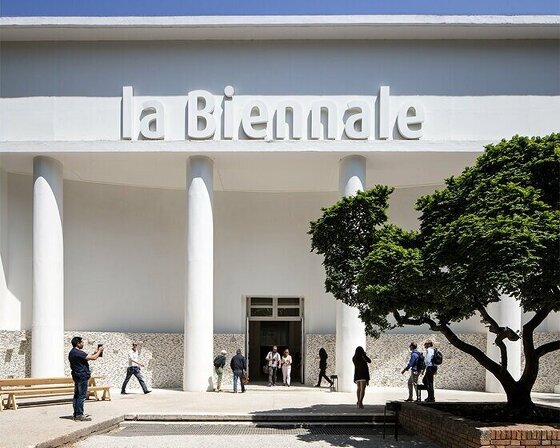
About La Biennale di Venezia
La Biennale, founded in 1895 as Esposizione Internazionale d’Arte della Città di Venezia, is the world’s oldest and most prestigious Art Biennale. It is presided over by Pietrangelo Buttafuoco and now includes six departments: Art (1895) , Music (1930), Cinema (1932), Theatre (1934), Architecture (1980), Dance (1999).
Since 1998, the Art Biennale and the Architecture Biennale have rested on three pillars: exhibitions by National Pavilions, the International Exhibition by the Biennale curator, and Collateral Events across Venice.
About the India Pavilion 2026
Geographies of Distance: remembering home will express how, for those whose lives are shaped by change or distance, home becomes less a fixed place and more a portable condition: part memory, part material, part ritual, part personal mythology. The exhibition reflects a moment of accelerated change in India, as cities grow horizontally and vertically, transforming neighbourhoods at an unprecedented pace. Indians today are more mobile than ever, both within a country in the throes of economic boom and as a visible and vocal global diaspora. Constituting nearly 20 per cent of the world’s population, Indians remain deeply connected to their origins and culture. As once familiar physical spaces transform and renew, we are invited to consider whether home is a place or an evocation of emotion and memory.
Across the exhibition, elements of ‘home’ appear fractured, suspended, scaffolded, or vulnerable as the artists explore longing and a deep-rooted sense of attachment to the place to which we belong. Each artist considers India’s transformation, mobility and the global diaspora.
The exhibition is curated by Dr. Amin Jaffer, who has devised the project in response to La Biennale di Venezia’s theme, In Minor Keys, conceived by the late curator Koyo Kouoh.
India seeps into Venice not as a spectacle, but as a whisper with confidence. Through music, movement and murmurs, the India Pavilion creates ephemeral interventions that dissolve into the city’s daily rhythm – appearing at dawn on a bridge, resonating at dusk, materialising during afternoon light. A key highlight of the India Pavilion will be a curated programme of music, performance, poetry and conversation over the course of the Biennale.
Curator
Dr. Amin Jaffer
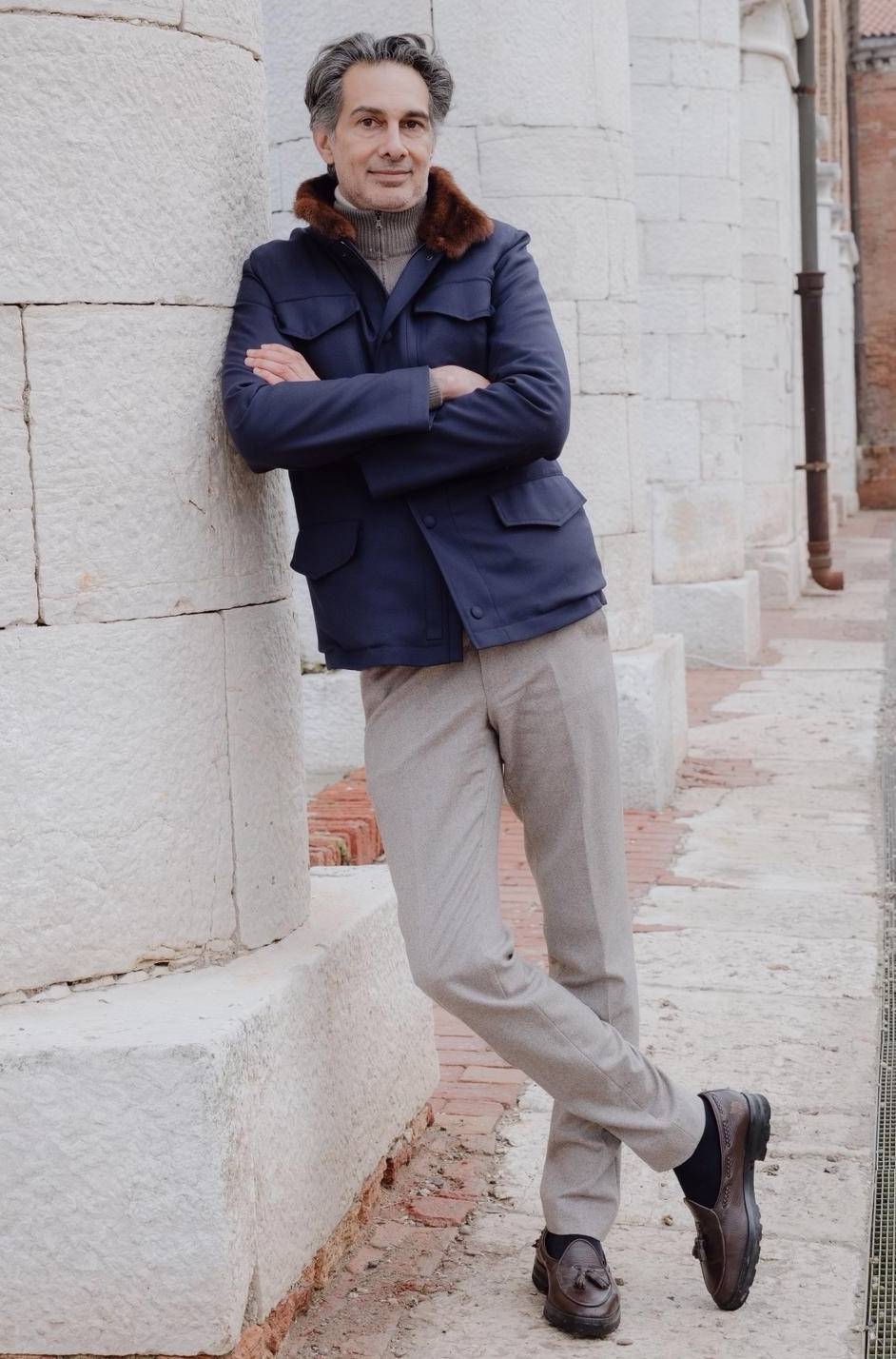
Dr. Amin Jaffer is Director of The Al Thani Collection, an encyclopaedic holding of more than 5,000 works of art spanning millennia. Dr. Jaffer, whose academic and curatorial work focuses on the meeting of European and Asian cultures, was an Artistic Director for the second Islamic Arts Biennale (January-May 2025) and Senior Curator at the Victoria & Albert Museum (1995-2007). Jaffer has curated exhibitions at institutions ranging from the Museum of Fine Arts, San Francisco to the Doge’s Palace, the Forbidden City and the State Hermitage Museum. Working to the vision of Sheikh Hamad bin Abdullah Al Thani, he oversaw the creation of The Al Thani Collection museum space at the Hôtel de la Marine, Paris, which opened to critical acclaim in November 2021. Since its inception, the space has presented exhibitions in partnership with prestigious institutions such as the Calouste Gulbenkian Museum, Lisbon; the Galleria Giorgio Franchetti alla Ca D’Oro, Venice; and the Victoria and Albert Museum, London.
Participating Artists
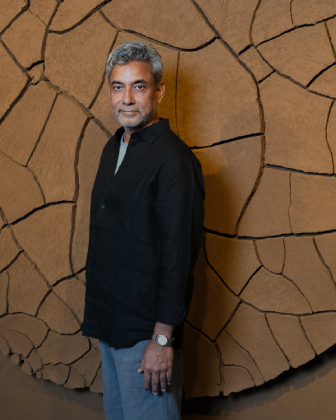
Alwar Balasubramaniam
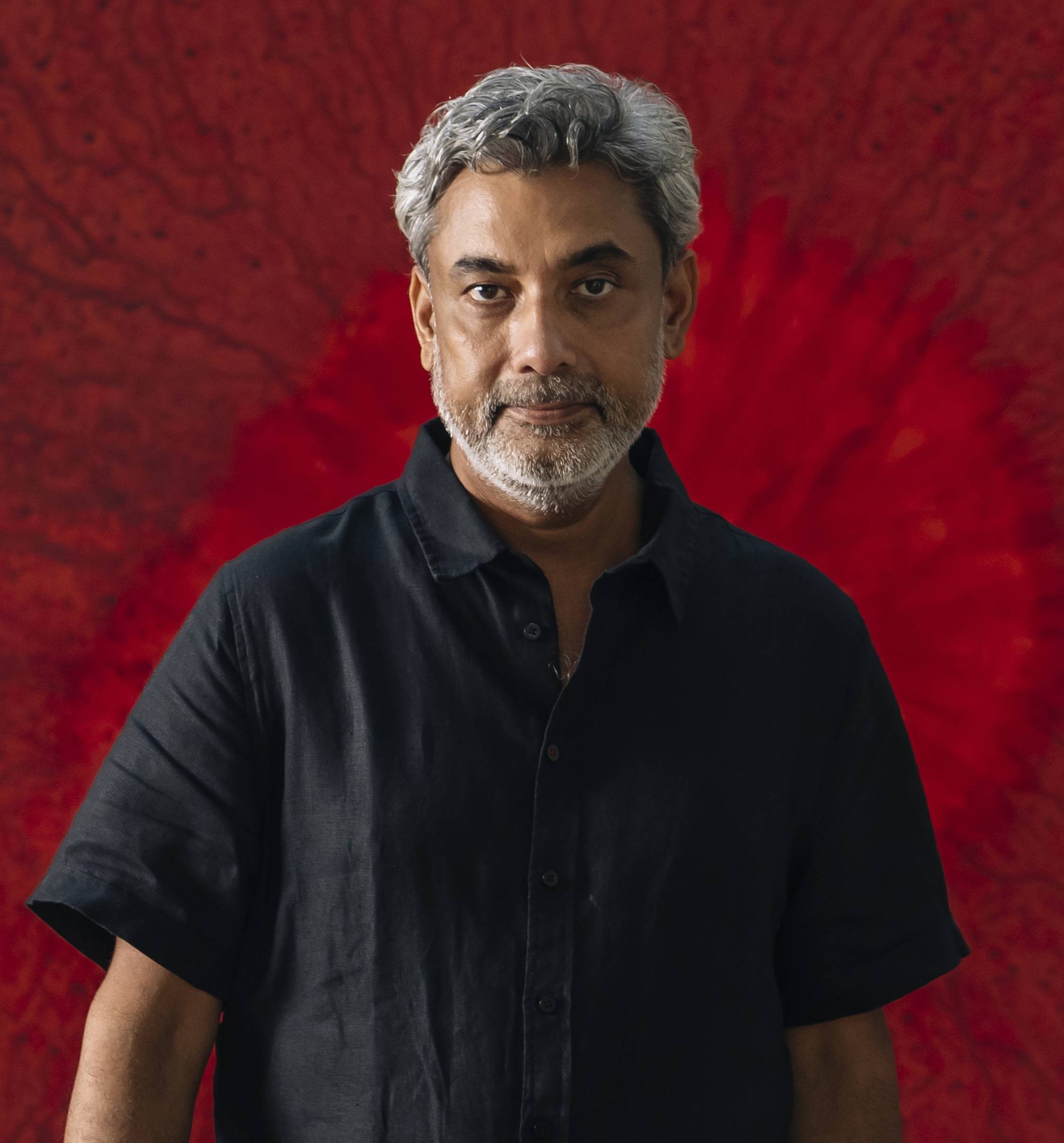
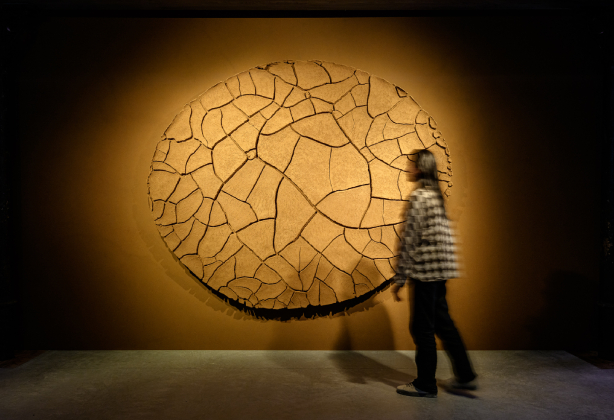
Alwar Balasubramaniam’s practice emerges from an intimate dialogue with the natural world that surrounds his studio in rural Tamil Nadu. Deeply rooted in the landscape, his works often materialise through collaborations with elemental forces – earth, water, wind and evaporation – where nature itself becomes both medium and co-creator. Using traditional processes – terracotta, casting, pigments drawn from soil and clay – he draws directly from the terrain in which he lives.
Bala blurs the boundaries between his hands and the forces of nature, between permanence and impermanence, the seen and unseen.
Alwar Balasubramaniam (Bala) was born in 1971 in Tamil Nadu, India. He received a BFA from the Government College of Arts, Chennai, India, in 1995.
Sumakshi Singh
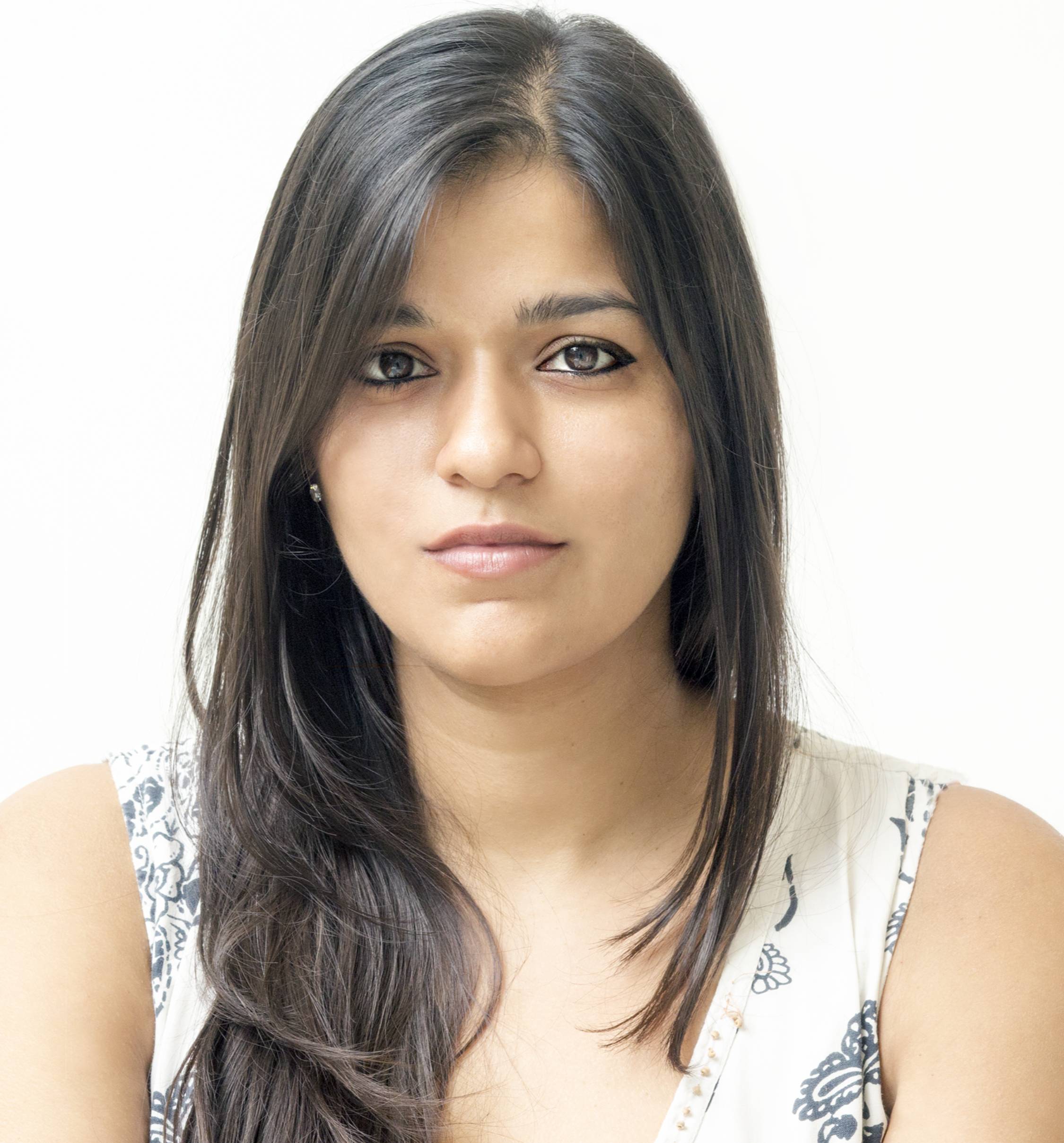
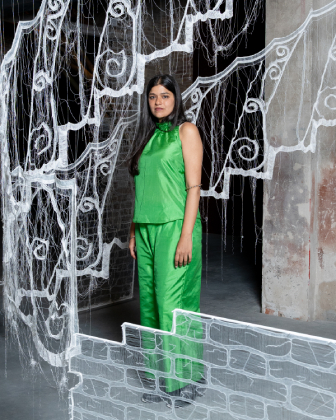
Sumakshi Singh (born 1980, New Delhi) is an Indian contemporary artist whose practice explores memory, time, and the boundaries between physical and ephemeral space. Singh creates intricate installations, thread drawings, sculptures, and site-specific works that evoke the fragility of perception and remembrance.
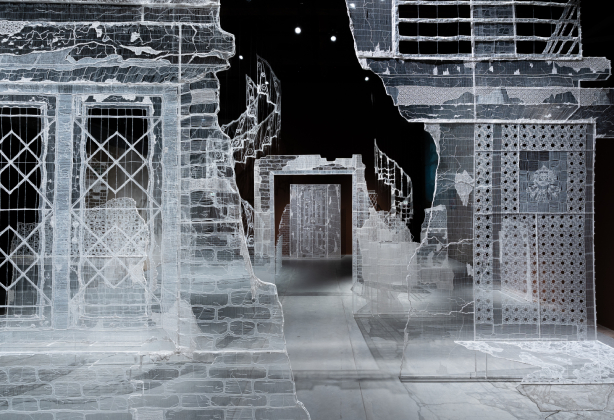
Her delicate “groundless” thread constructions – often suspended in air like drawings made of light – reflect her ongoing engagement with absence, architecture, and the invisible traces of lived experience. In her acclaimed installation 33 Link Road, Singh reconstructed her childhood home entirely from embroidered thread, turning memory itself into an architectural medium and exploring the way personal spaces linger in collective imagination.
Also an educator and lecturer, she has taught at SAIC and spoken at Oxford and Columbia University. Her work has earned her several honors, including the Asia Arts Future Game Changer Award from the Asia Society in 2022.
Ranjani Shettar
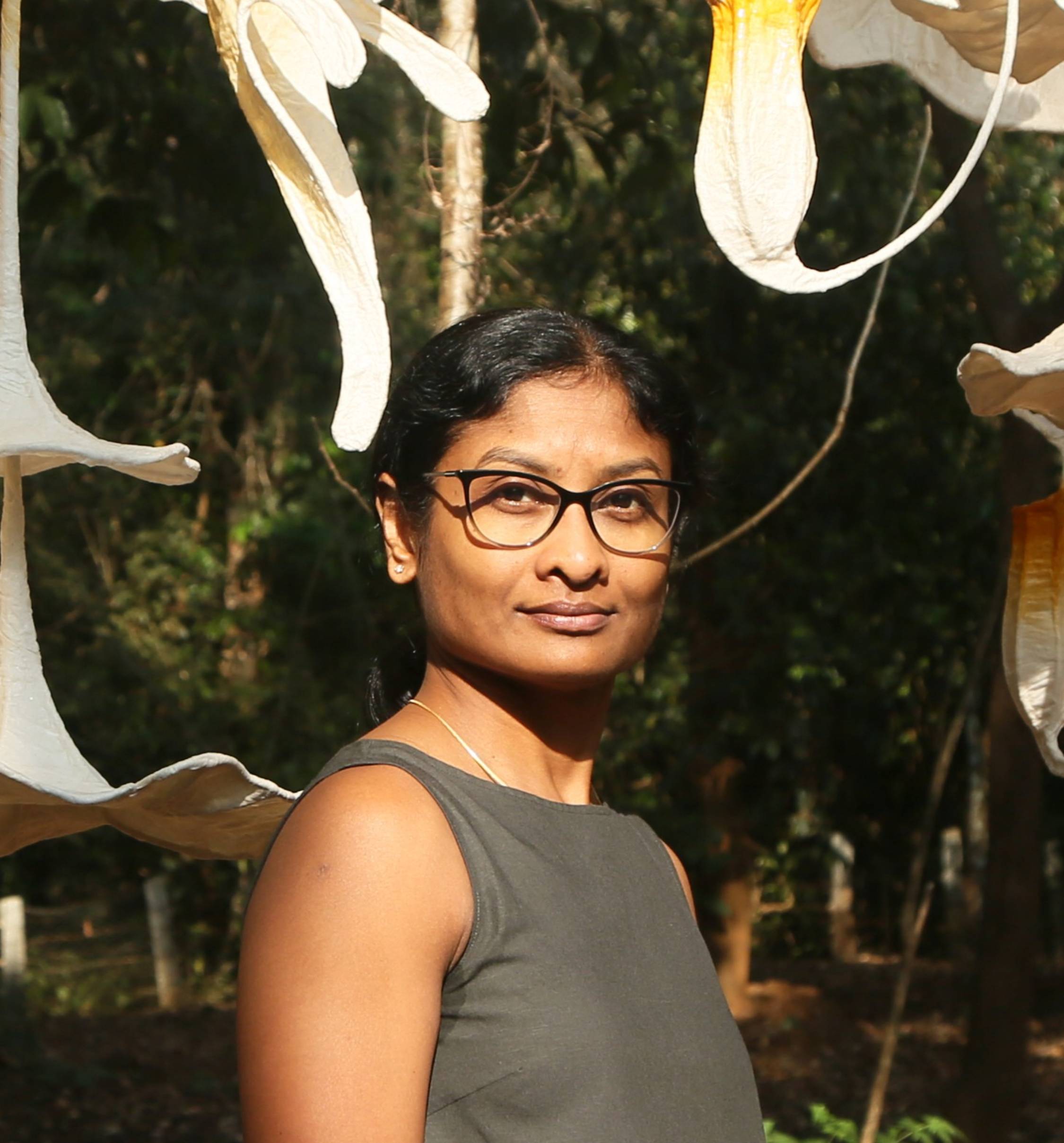
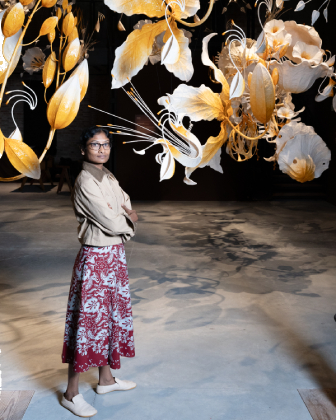
Ranjani’s practice takes its rhythm from nature, while many of its methods are drawn from India’s centuries-old craft traditions.
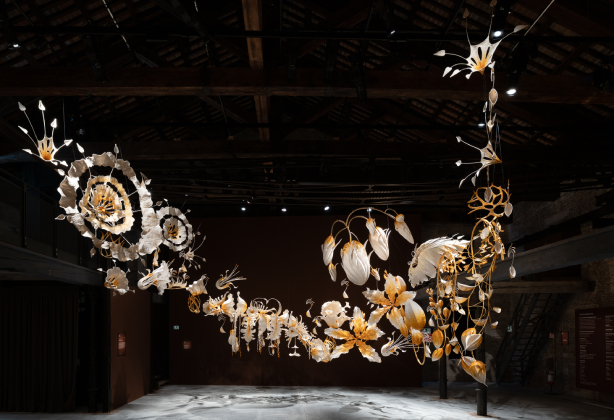
Shettar forges a relationship with her materials through sustained contact and proximity. For over a quarter century she has been creating sculptural works that seem to float and defy gravity. She has explored and developed a deep understanding of their possibilities with a range of mediums including wood, fabric, metal and wax, each individually created and finished by the artist. Natural material is carved entirely by hand, aided by the simplest tools, allowing for the slow revelation of its hidden possibilities.
Ranjani Shettar was born in 1977 in Bangalore, India. She received a Bachelors (1998) and a Masters (2000) in Sculpture from Karnataka Chitrakala Parishath, Bangalore.
She lives and works in the countryside near Sagara, Karnataka, India.
Asim Waqif
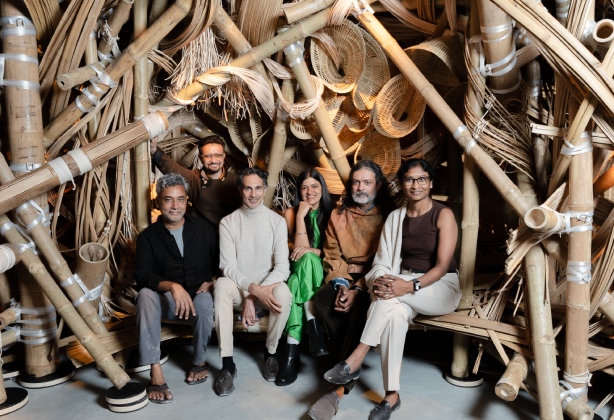
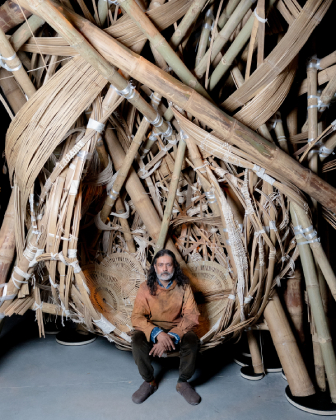
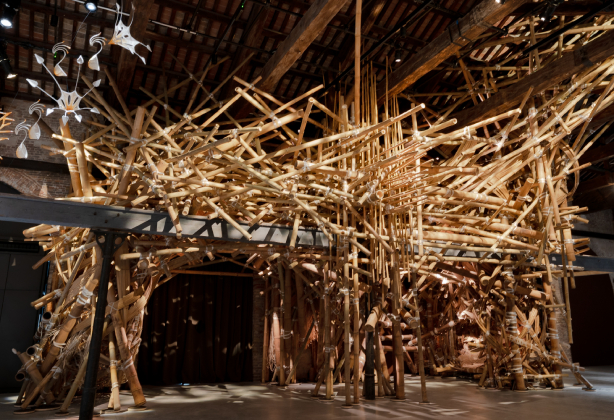
Asim Waqif (born 1978, Hyderabad) is a Delhi-based Indian artist whose work sits at the intersections of art, architecture, ecology, and design. Trained as an architect at the School of Planning and Architecture in New Delhi, he initially worked in art direction for TV and film before shifting into independent video, documentaries, and a full-time art practice. His installations and sculptures often repurpose discarded materials – bamboo, waste metal, timber, and plastic – to explore issues like consumption, decay, and the politics of public and abandoned space.
Waqif’s work tends to be immersive and interactive, encouraging viewers not just to observe but to move through, touch, and activate his structures.
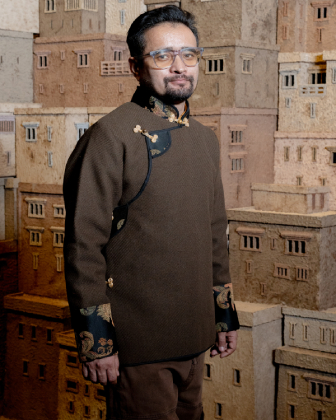
Skarma Sonam Tashi
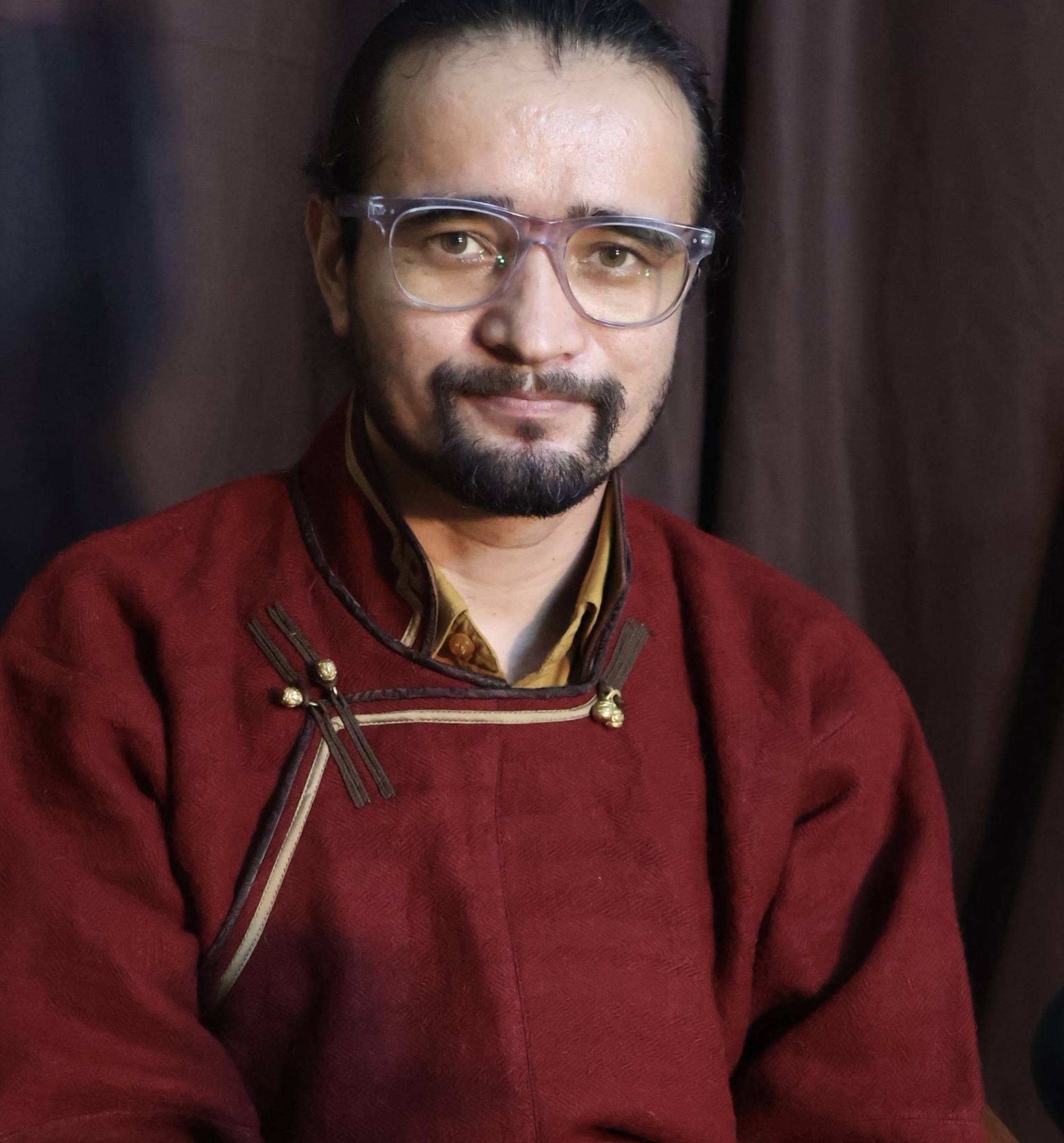
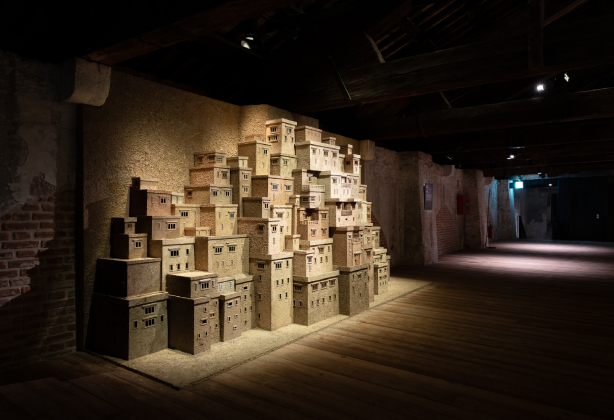
Skarma Sonam Tashi (born 1997, Sapi, Ladakh) is an Indian artist whose work reflects the landscapes and architectural forms of his native Ladakh. He studied Fine Arts at the Institute of Music and Fine Arts, Jammu (BFA, 2019), and Kala Bhavana, Visva-Bharati University, Santiniketan (MFA, 2021).
Working between New Delhi and Ladakh, Tashi uses recycled materials – such as paper mâché, cardboard, and egg trays – to evoke the fragility of Ladakh’s mountain-scapes. His sculptural installations reinterpret regional architectural patterns while raising questions about ecology and cultural preservation.
His awards include the National Award at the 64th National Exhibition of Art (Lalit Kala Akademi, New Delhi, 2025), Abeer India First Take Award (2024), Space118 Fine Art Grant (2024–25), and the Lalit Kala Akademi Scholarship (2021–22).
Tashi has exhibited across India, including a solo show at the Ladakh Arts and Media Organisation (LAMO, 2022), and presentations at the India Art Fair in 2024 and 2025 with Sa Ladakh and Abir India.
The India Pavilion will run from 9 May to 22 November 2026 in Venice.





 SIGN IN WITH GOOGLE
